UI/UX Designer for complex healthcare and enterprise interfaces
Why I design the edge cases first
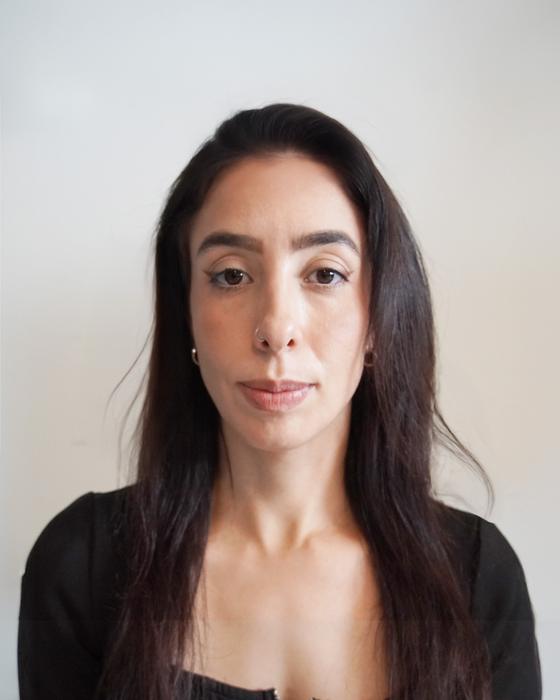
I design software for healthcare and enterprise teams, the kind where a missing screen state causes a real problem rather than a bad review. Three years designing product interfaces, the last eighteen months as the only designer on a regulated healthcare portfolio. Before that, and for a while alongside it, brand and visual design. The healthcare work is what changed how I design: a gap in a clinical tool means somebody improvises in front of a patient. So I map the error paths and the edge cases early, and accessibility isn’t something I bolt on at the end.
I work research-first, though not ceremonially: research only earns its place if it changes what gets built. A design system is mostly a maintenance decision — it starts paying for itself around the third time someone needs a screen that doesn’t exist yet. I also build and deploy my own front-ends in React, Next.js and TypeScript, which means I know what I’m asking developers for, and my handoffs fit the way the thing will actually be built.
What I know and use
Where I have worked
UI/UX Designer+
- Sole designer across all products and brand — device UI, a clinical application’s design system, the company website, and full brand identity
- Created the first design system and component library for a clinical assessment application already in production — audited the shipped interface component by component, then built the Figma library and token set from it
- Localised the application from US to UK English for the UK release, documented for developer reference
- Took the UI for a clinical measurement device from lo-fi, unstyled wireframes to a complete visual and interaction design across 30+ screen states, documented in enough detail to remove ambiguity at developer handoff
- Led the company-wide brand identity — logo, brand guidelines, and product marks across the portfolio
- Audited and improved 20+ screens company-wide against WCAG 2.1 AA criteria — contrast, keyboard navigation, focus states, semantic structure and error messaging
UI/UX Designer+
- Ran discovery research with 8 participants using interviews, personas and journey maps — the findings became user stories and changed which features got built first
- Introduced a structured research-to-design workflow in Figma, with deliverables tracked in Jira and Confluence
- Delivered wireframes, prototypes, and responsive production UI across multiple agile sprints for web and mobile-first products
- Ensured WCAG 2.1 accessibility compliance across all shipped screens
Founder & UI/UX Designer+
- Founded and ran Bulb Design, a creative digital agency, leading UX research including user interviews, surveys, and usability testing — translating findings into measurable design improvements
- Built a scalable Figma component library and design system used across all digital products for 5+ client projects
- Designed and developed the company website from scratch
- Ran iterative design cycles within cross-functional agile teams, shipping responsive work across web and mobile
Graphic Designer & UI Designer+
- Collaborated with 50+ clients on presentation design for European Commission grant applications, contributing to over €90M in secured funding
- Designed responsive websites and led brand campaigns across print and digital
- Managed stakeholder relationships across cross-functional teams spanning 5+ countries
Graphic Designer (Freelance)+
- Branding and visual identity work for a range of clients
- Reworked the project workflow around how people actually used it
Graphic Designer (Intern)+
- Designed a queuing app and an interactive event website for a live event client
Certifications & education
Certifications
Education
Languages
- EnglishFluent
- PortugueseNative
- ItalianConversational
Previous certifications
My design process
Discover
I talk to the people who will use the thing, and to whoever is paying for it. Those two groups rarely describe the same problem, and the gap between them is usually where the work is.
Define
Personas, user stories, flows, information architecture. This is the stage where I find out whether the thing being asked for is the thing that is needed, which is not always a comfortable conversation.
Design
Wireframes first, then high-fidelity screens in Figma. Mobile-first, and prototypes go in front of real people before engineering starts building.
Deliver
Specs, tokens and a component library developers can work from without asking me what I meant. I stay available afterwards, because most of the real questions arrive when the build is halfway done.
Case studies in complex domains
Eight projects across healthcare, fintech, enterprise tooling and consumer apps. Some came from client briefs, others I set myself. Each case study says which, and for the self-directed ones, what I’d have measured if they had shipped.
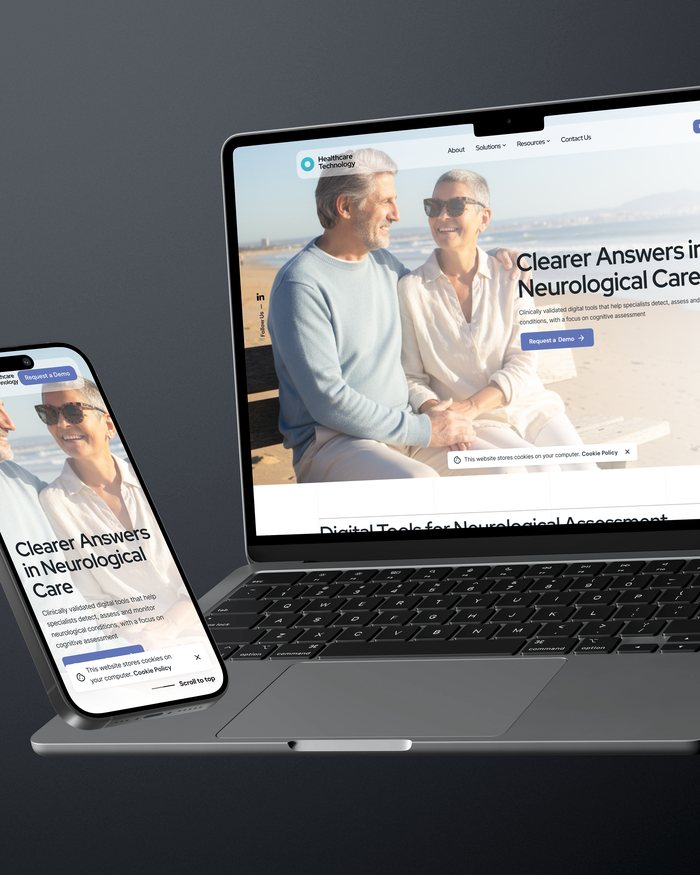
Brand, Design System and Front-End, Sketches to Deployment
Medtech · Brand, Web & Front-End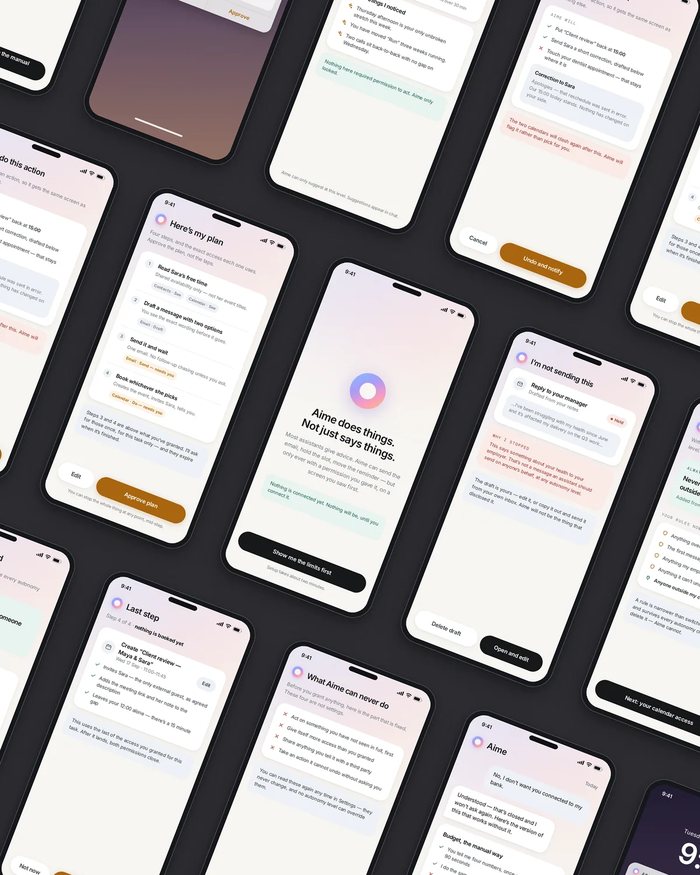
Designing an AI Agent People Let In
Consumer AI · Agentic UX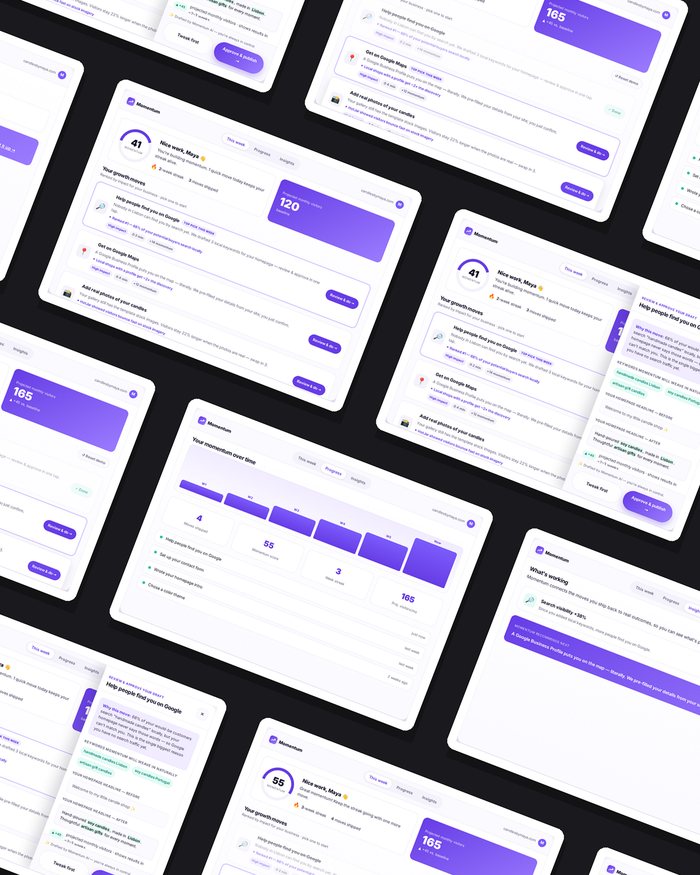
Turning Post-Launch Silence into Retention for Small Businesses
Consumer SaaS · AI · Retention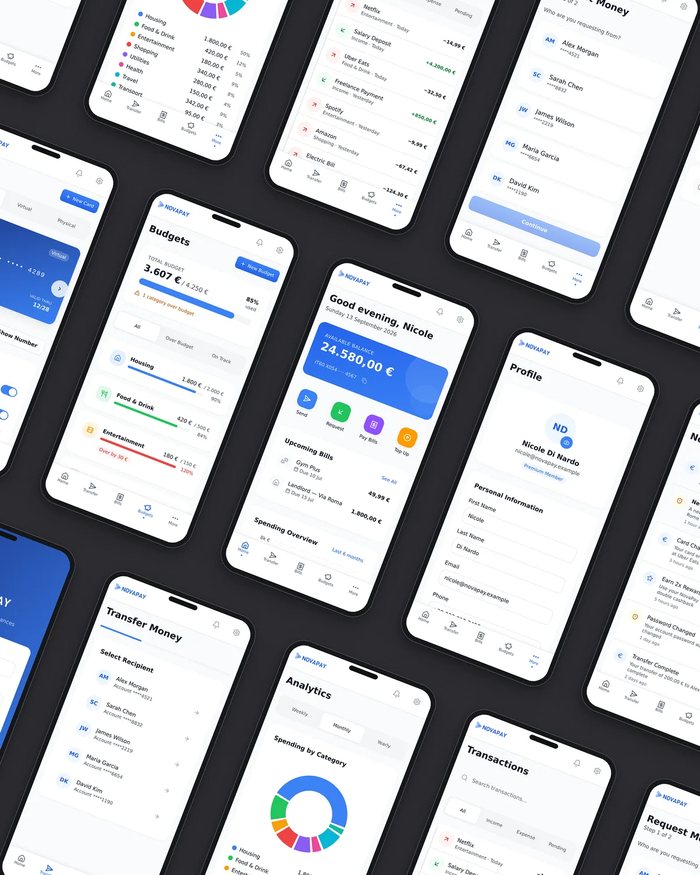
Design System & Interactive Prototype for Mobile Banking
Fintech · Banking App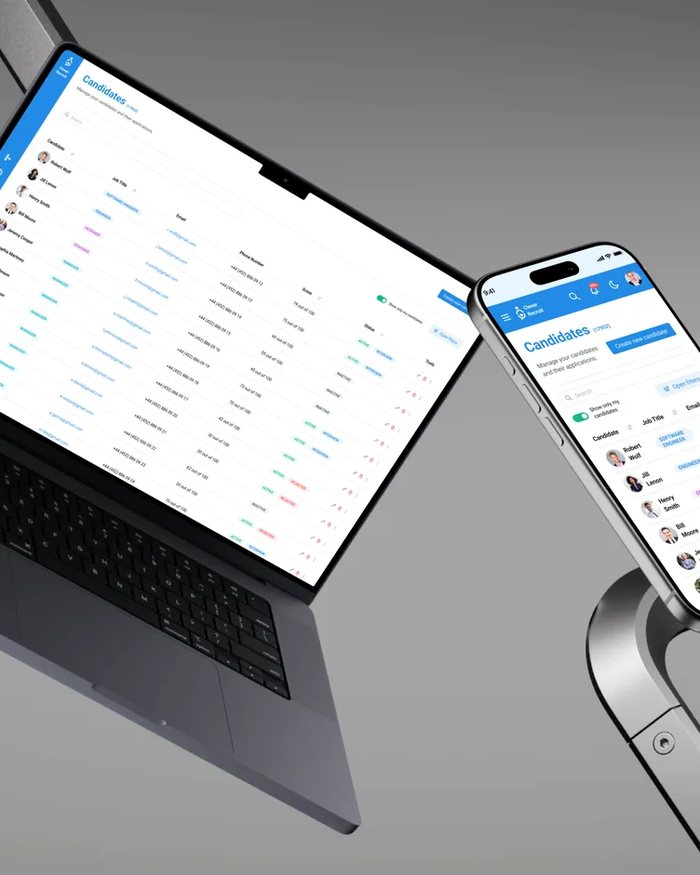
High-Density Pipeline for 200+ Candidates
Recruitment · B2B SaaS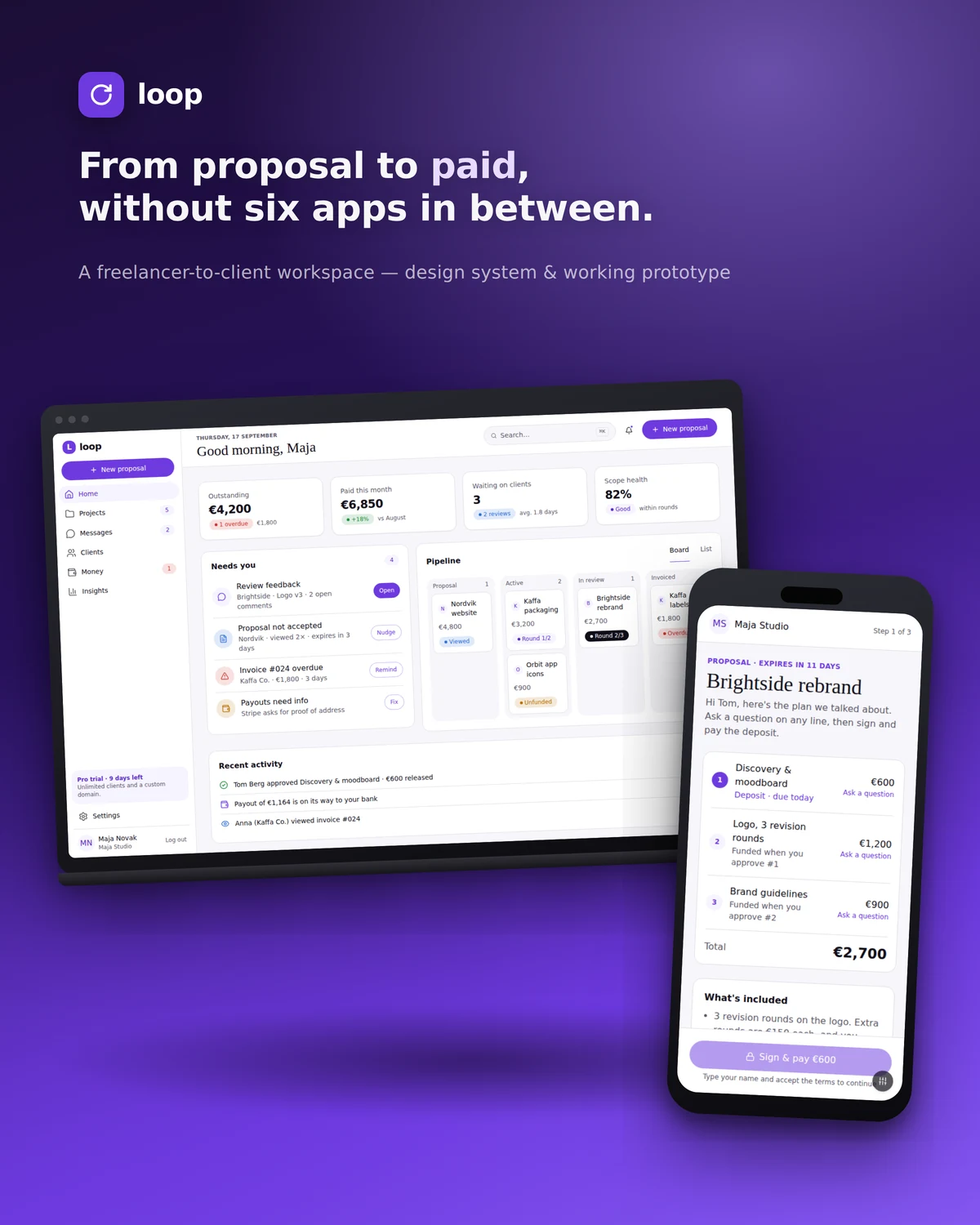
From Proposal to Paid, Without Six Apps in Between
SaaS · Freelancer/Client Platform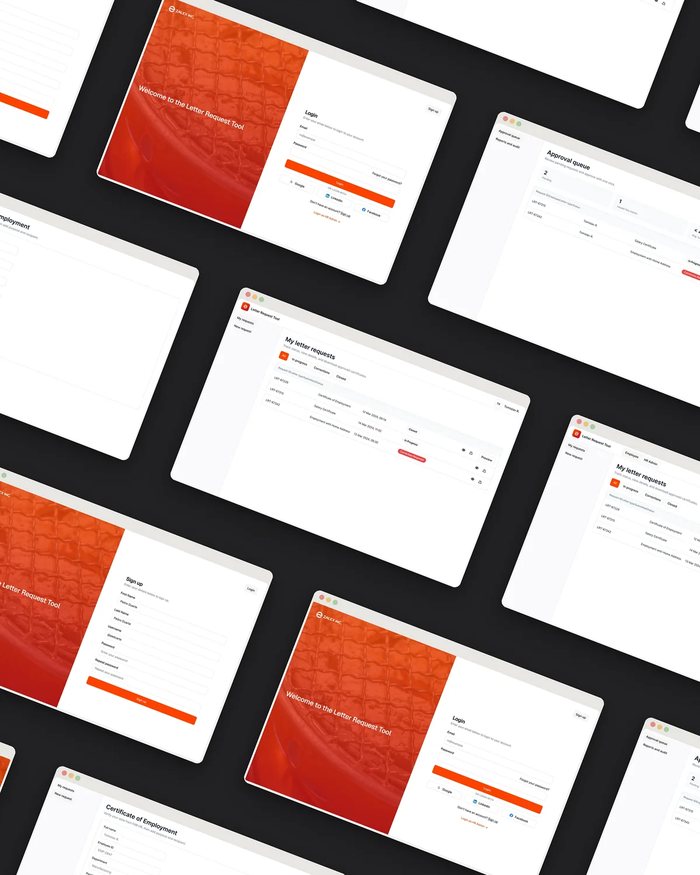
From 5-Day Manual Process to Same-Day Self-Service
Enterprise HR · Internal Tool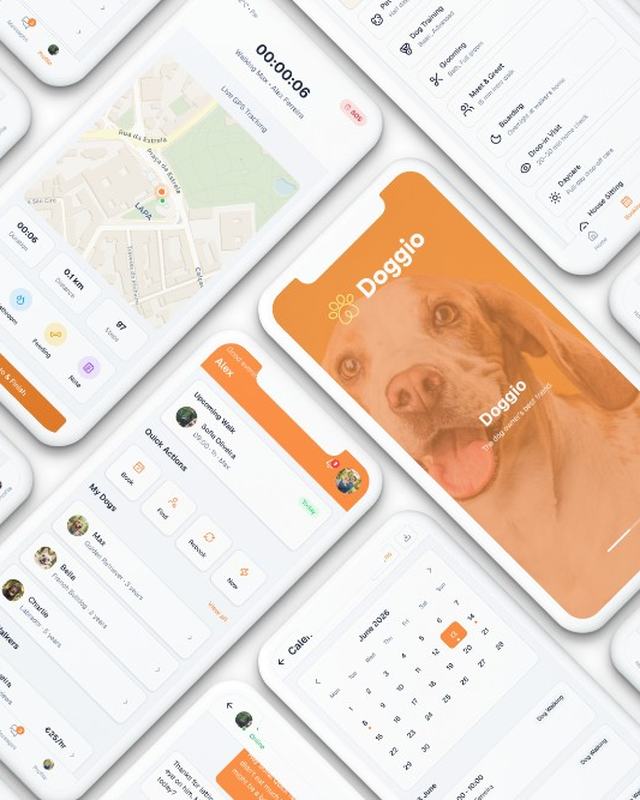
Designing Trust Signals into a Service Marketplace
Consumer · Mobile App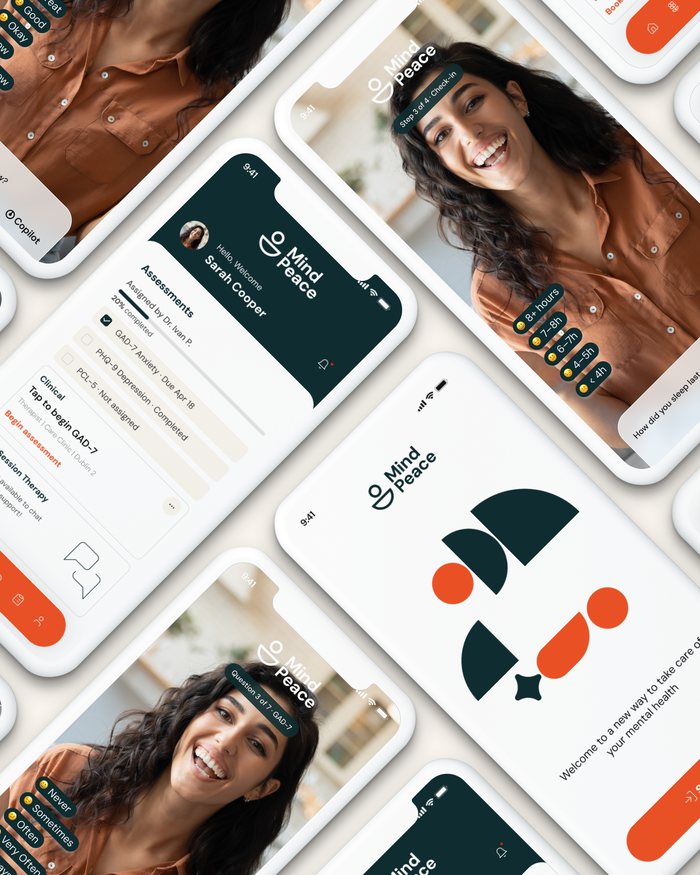
Dual-User Mental Health Tracking for Patients and Clinicians
Mental Health · HealthcareWhat others say about my work
From clients and colleagues across Bulb Design and earlier roles.
“Nicole was very attentive to detail and delivered all our material to the highest standard.”
“Nicole possesses the perfect balance between creativity and efficiency. Extremely patient, empathetic and committed to work.”
“Nicole’s advice has been fantastic throughout the creative design phase — very prompt and professional throughout all our engagements.”
“Delivered to my company professionally and in short time. Thanks Nicole for your support!”
Most of my recent work is under NDA
My day-to-day role is regulated healthcare software. That work is confidential and isn’t published here.
Every screen, not just the hero shots.
Let’s talk.
Happy to walk through any of these case studies on a call, including the parts that didn’t work.